
Receiving Medical Care Abroad — How Hospitals Handle Payment
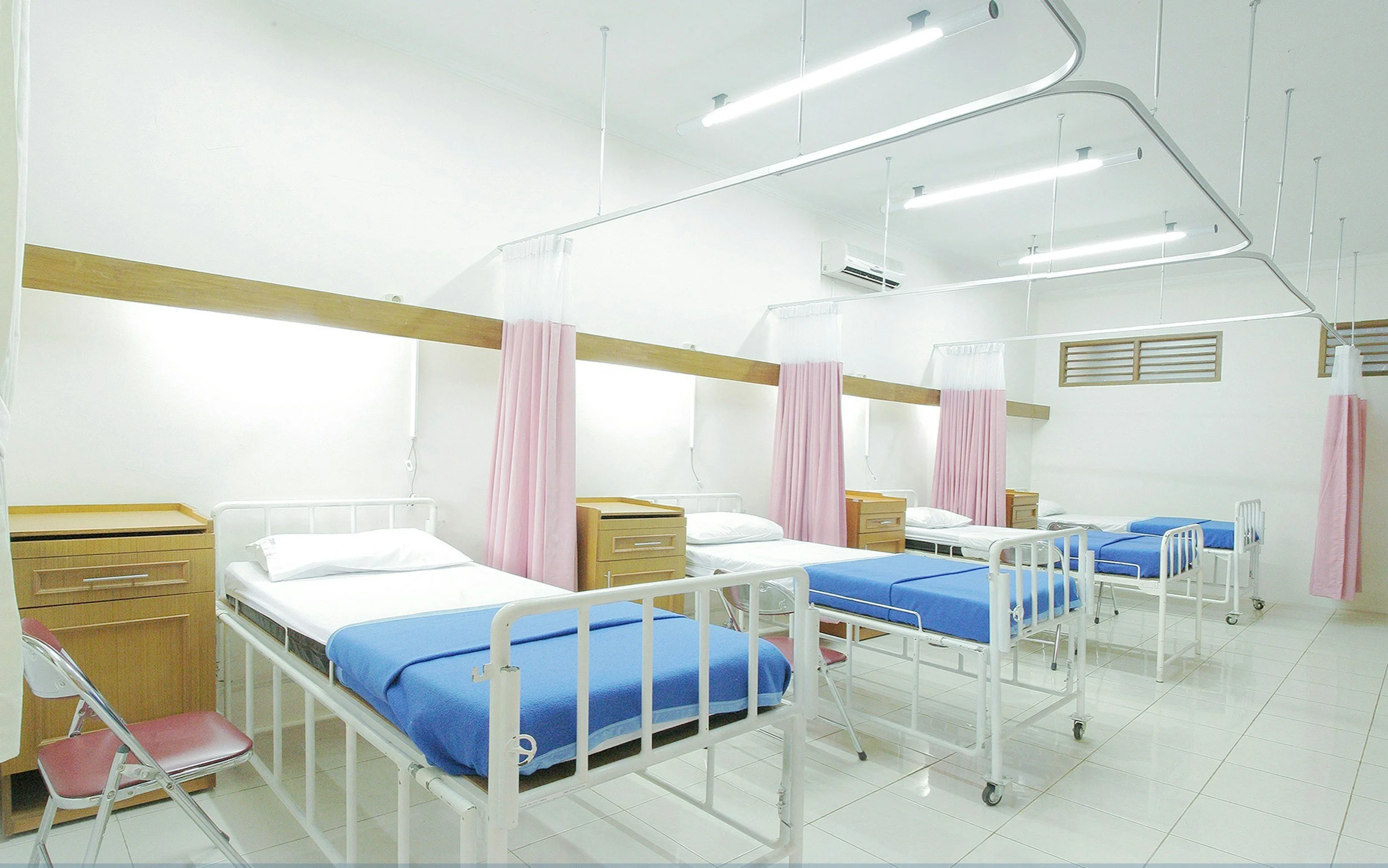
Once you understand the difference between primary and secondary coverage, it’s easier to see how it plays out in real life. When travelers are injured or fall ill overseas, hospitals often operate very differently than what we’re used to in the U.S.
Here’s what you can expect:
• Upfront payment is usually required — foreign hospitals often require payment in full before discharge unless your insurer issues a guarantee of payment.
• Cash deposits or credit card holds are common — some facilities will hold passports or pre-authorize credit cards until the balance is settled.
• Primary coverage helps avoid big out-of-pocket bills — your insurer can pay the hospital directly or guarantee payment, letting you focus on recovery instead of financing care.
• 24/7 insurer assistance is your lifeline — reputable travel insurers provide global hotlines that coordinate translators, billing, and emergency approvals.

Example: Imagine slipping on the pier in St. Thomas and breaking an ankle. The local hospital stabilizes you but requires a $5,000 payment before discharge.
With primary coverage, your insurer issues immediate payment; with secondary coverage, you’re the payor until you get reimbursed weeks later.

💡 Go Joe Travel Tip:
Always keep your travel insurance ID card and emergency assistance number with your passport. Hospital staff can contact your insurer directly to confirm coverage and arrange payment.
Information provided by Go Joe Travel is intended for general educational purposes and should not be considered legal, financial, or insurance advice.
Coverage terms, exclusions, and benefits vary by provider and policy.
Travelers should review their policy documents carefully and contact their travel insurance company directly for questions about coverage, claims, or limitations.
